Everything you need to know about smartphone chargers, charging protocols, and buying the right adapter.

If you go to a local market and ask for a charger, the shopkeeper will flood you with options, claiming super-fast charging support, the best charger, and whatnot! A normal customer with no prior knowledge would, for sure, head on over to buy a fake or an incompatible charger. That's why I'm here to tell you everything about how to buy the right charger for your phone in this Ultimate Charger Buying Guide article.
Ultimate Charger Buying Guide:
Before heading directly to the ultimate charging guide, we must learn about our smartphones' various charging protocols. While the Type-C port or micro USB (on older phones) is the common charging standard for smartphones, the voltage and current it specifies can differ from one brand to another. So, these are the charging protocols available in the market.
1. Power Delivery (PD) and PPS
Power Delivery(PD) is the universal fast-charging standard for USB-C-to-USB-C devices. It supports smartphones like iPhones, iPads, MacBooks, Google Pixel phones, and Samsung phones. Not only smartphones, but PD charging also supports laptops, MacBooks, tablets, handheld gaming consoles, and such. Operating through a USB-C output port, the newly announced PD 3.1 version supports up to a whopping 240W fast charging. USB Power Delivery previously supported up to 100W with PD 3.0, while the newer PD 3.1 standard supports up to 240W. However, most smartphones typically draw between 18W and 45W, while laptops may require 65W to 140W, depending on the model.
Likewise, Programmable Power Supply (PPS) is an advanced feature of the USB Power Delivery standard that allows a charger to dynamically adjust voltage and current in small increments during charging. Unlike traditional charging methods that operate on fixed voltage levels such as 5V, 9V, or 12V, PPS continuously adjusts the power delivery to match the device’s exact requirements.
- Supported Devices:- iPhones, iPads, MacBooks, Samsung Galaxy phones, Google Pixel phones, Nothing/CMF phones, and PD-supported laptops
- Cross Compatibility:- Quick Charge, Xiaomi Hyper Charge, Honor Super Charge, Motorola Turbo Charge

2. Qualcomm Quick Charge
Qualcomm Quick Charge is a fast-charging technology designed to reduce the time it takes to charge devices powered by Qualcomm processors. Quick Charge provides faster charging than traditional methods by increasing the power delivered through compatible chargers. It uses advanced voltage and current management to ensure efficiency and safety. Over its various iterations, Quick Charge has introduced features like backward compatibility, temperature control, and support for USB Power Delivery. But do remember, not all phones with a Snapdragon processor would support Quick Charge as they have their own charging protocols.
- Supported Devices:- Devices with Qualcomm Chip
- Cross Compatibility:- Power Delivery, Xiaomi HyperCharge
3. Xiaomi HyperCharge
Xiaomi's HyperCharge was introduced in 2022. It's still based on Qualcomm Quick Charge technology, though. Currently, we have a 120W Xiaomi HyperCharge adaptor as the highest-power supply. It has over 40 safety protections, including safeguards against overcurrent, overvoltage, and overheating.
- Supported Devices:- Xiaomi, Redmi, Poco
- Cross Compatibility:- Power Delivery, Quick Charge
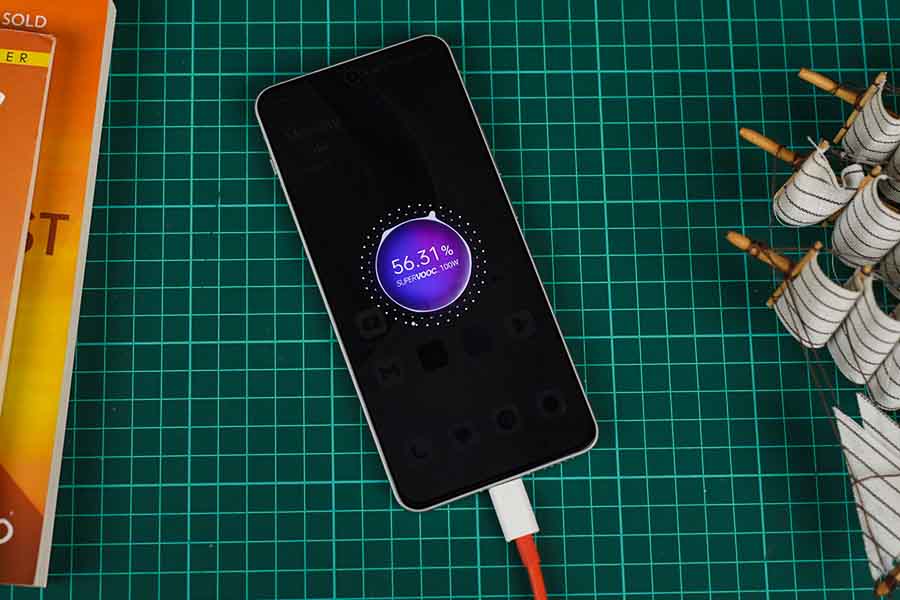
4. SuperVOOC
SuperVOOC is Oppo’s fast-charging technology, designed to deliver fast, efficient charging to devices. It operates using a low-voltage, high-current system, which helps optimize charging speed while maintaining safety. By utilizing a dual-cell battery design, it distributes the charging load evenly for better performance.
- Supported Devices:- OnePlus, Oppo, Realme
- Cross Compatibility:- Power Delivery
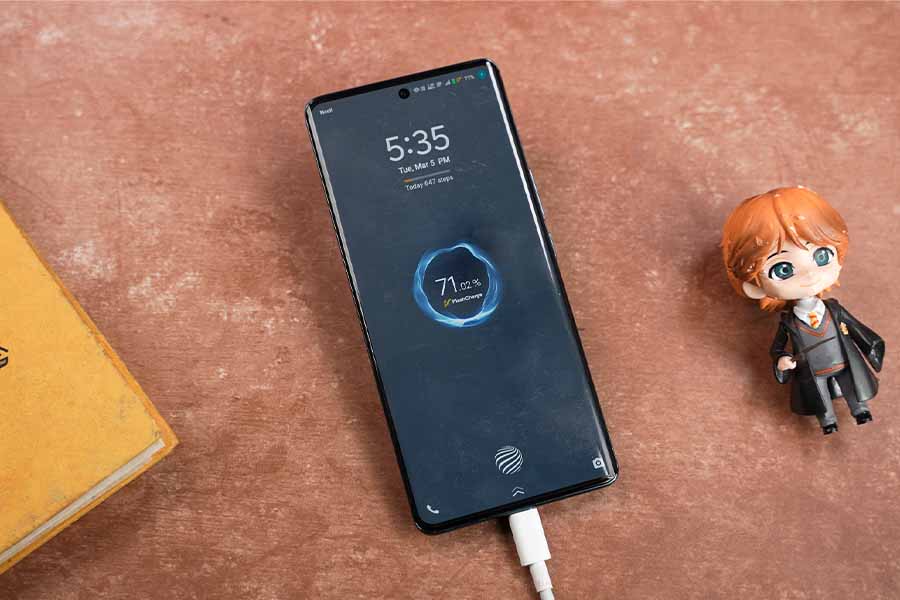
5. Flash Charge
Flash Charge is Vivo’s proprietary fast-charging technology, designed to deliver rapid, reliable smartphone charging. It uses a high-current, low-voltage system to achieve faster charging speeds, similar to Oppo’s SuperVOOC tech. Flash Charge employs advanced safety protocols, including real-time temperature monitoring and multiple layers of protection, to ensure efficient and secure charging. Over time, Vivo has introduced upgrades such as 120W Flash Charge, which can fully charge a smartphone in under 20 minutes.
- Supported Devices:- Vivo, iQOO
- Cross Compatibility:- Power Delivery
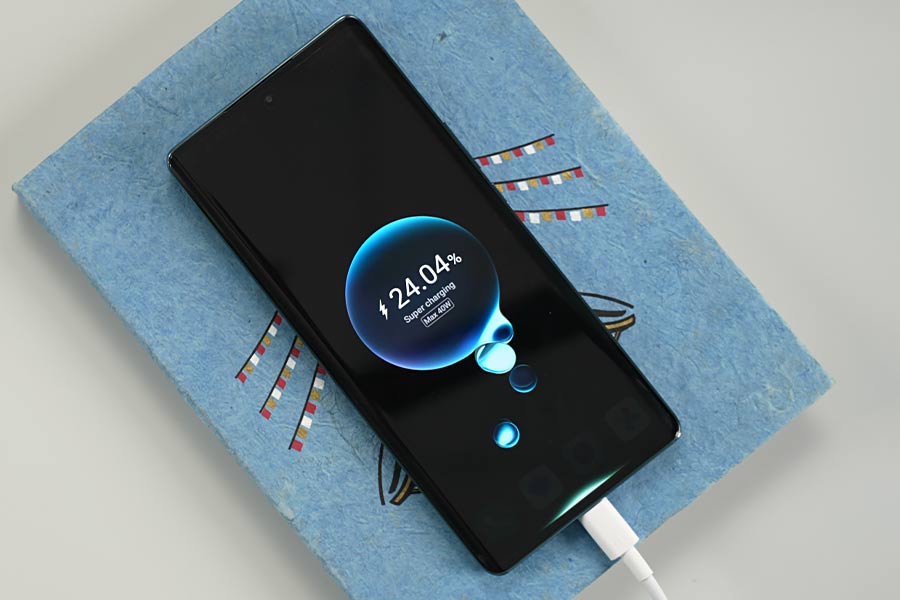
6. Honor SuperCharge
Honor SuperCharge is the fast-charging technology developed by Honor to deliver fast, efficient charging to its devices. Designed for convenience and safety, it uses high wattage with optimized voltage and current management to significantly reduce charging times. With its higher power outputs, such as the 100W version in newer devices, it can charge a phone to a substantial percentage in just minutes, making it a practical solution for users with busy lifestyles.
- Supported Devices:- Honor phones
- Cross Compatibility:- Power Delivery
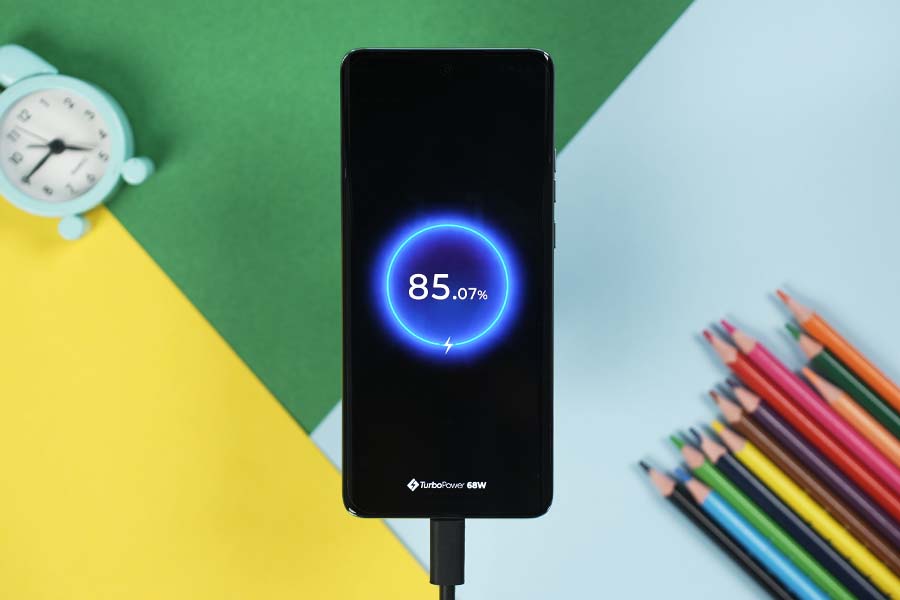
7. Motorola Turbo Power
Moto TurboPower is Motorola’s proprietary fast-charging technology designed to deliver quick and reliable power to its devices. Compatible with Qualcomm Quick Charge standards, TurboPower adapts charging speed based on the device’s needs to maximize efficiency and battery health. With high power outputs, such as 33W or more in newer iterations, it can provide hours of battery life in just a few minutes of charging.
- Supported Devices:- Motorola phones
- Cross Compatibility:- Power Delivery (PD), Quick Charge
8. Tecno/Infinix's Fast Charge
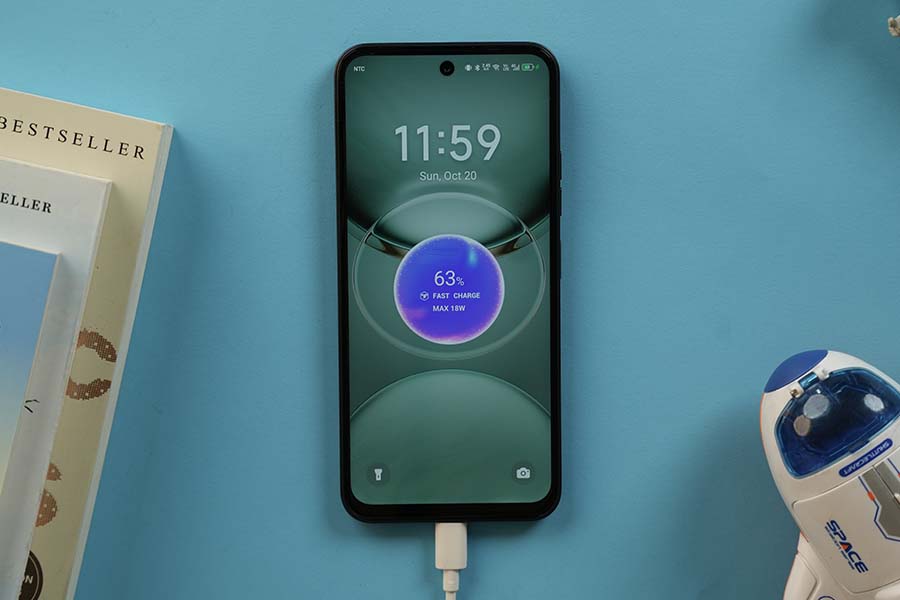
Tecno/Infinix doesn’t have a name for its fast-charging technology. But during my tests, Tecno’s phones are also compatible with fast PD chargers. The recently launched Tecno Pova 6 supports 70W fast charging. I charged it with a 65W GaN PD charger, and it was able to draw up to 18W of fast charging. (Detailed results are below.
- Supported Devices:- Tecno phones
- Cross Compatibility:- PD
Cross Compatibility Tests on Different Smartphones with Different Charging Standards
So, I have taken various smartphones to give you a more in-depth example of cross-compatibility among charging protocols. All of these use a different protocol. During the tests, all the devices' batteries were under 10%; that's when a smartphone can draw the maximum power from a charger. Likewise, I have used the Satechi voltmeter, which shows current and voltage. Multipending both gives you the Wattage info.
| Smartphones | 67W SuperVOOC | 67W HyperCharge | 80W FlashCharge | 120W FlashCharge with 65W PD Support | 65W PD | Honor 100W SuperCharge | Tecno 70W Charger |
| Realme Narzo 70 Pro (67W SuperVOOC) | 55W | 12W | 10W | 12W | 12W | 9.3W | 9.4W |
| Poco X6 Pro (67W Hyper Charge Support) | 7W | 55W | 11.7W | 25W | 23W | 10.6W | 10.5W |
| Samsung Galaxy S24 FE (25W PD with PPS Support) | 9W | 14W | 8.9W | 24W | 23W | 8.9W | 8.6W |
| iQOO Neo 9 Pro (120W Flash Charge Support) | 9.8W | 17W | 66.2W | 99W | 22W | 9.8W | 9.7W |
| iPhone 15 (25W PD Support) | 7.5W | 20W | 7.25W | 24W | 25W | 10W | 12W |
| Honor 200 (100W Super Charge Support) | 9.5W | 9W | 9.4W | 51W | 50.6W | 69W | 9.2W |
| Tecno Pova 6 (70W Charging) | 9.8W | 12.3W | 16W | 10W | 18W | 15.7W | 47W |
Findings from the Test:
- Realme Narzo 70 Pro, which uses 67W SuperVOOC charging, was incapable of taking a fast charge from all the protocols mentioned above.
- Poco X6 Pro with 67W HyperCharge support can take fast charging up to 25W from a Power Delivery charger. Other protocols cannot provide fast charging.
- Samsung Galaxy S24 FE supports 25W PD charging with PPS, natively. However, the Xiaomi HyperCharge was also able to provide up to 14W of charging speed, while the other protocols couldn't cater to fast charging.
- iQOO Neo 9 Pro relies on 120W FlashCharge support and takes 99W from its own charger, while it also takes 22W from a 65W PD charger and 17W from Xiaomi HyperCharge. As I expected, the other protocols couldn't provide fast charging.
- iPhone 15 takes up to 25W of USB Power Delivery charging. While it does not officially support other proprietary charging protocols, it was compatible with HyperCharge (20W) in my testing.
- Honor 200 has native 100W SuperCharge support, and I found it drawing 69W from the default charger and 51W from a PD charger. Meanwhile, the protocols failed to provide fast charging for this guy.
- Likewise, the Tecno Pova 6 supports 70W fast charging. It drew 47W during our test from its original charger, while the 65W PD and 80W Vivo FlashCharge chargers provided 16W and 18W of charging, respectively.
| Protocols | Best Cross-Platform Compatibility |
| Power Delivery (PD) | Quick Charge, Hyper Charge |
| Quick Charge | PD, Hyper Charge |
| SuperVOOC | PD* but at a limited speed |
| FlashCharge | PD* but at a limited speed |
| TurboCharge | PD |
| SuperCharge | PD |
| Tecno/Infinix | PD |
So it should be pretty clear that the best charger to buy for your smartphone is the official charger. If it's unavailable, you can go for the best cross-compatible charging protocol!
USB-C is Becoming the Universal Charging Port
In recent years, USB-C has become the universal charging connector for smartphones and many electronic devices. This shift accelerated after the European Union mandated USB-C charging ports for smartphones and several other electronic devices starting in 2024.
As a result:
- Most modern smartphones now use USB-C ports
- Chargers increasingly rely on USB Power Delivery as the common fast-charging standard
- Accessories like tablets, laptops, earbuds, and handheld gaming consoles can often use the same charger
Even Apple transitioned from the Lightning connector to USB-C starting with the iPhone 15 series. This move further pushed USB-C as the standard charging solution across the industry.
USB-C Cable Types and Power Limits
Not all USB-C cables are the same. Different cables support different charging speeds depending on their internal components.
Here are the most common USB-C cable types:
| Cable Type | Maximum Power |
|---|---|
| Standard USB-C Cable | Up to 60W |
| E-Marked USB-C Cable | Up to 100W |
| USB PD 3.1 Cable | Up to 240W |
High-power cables often include an E-marker chip, which communicates with the charger and device to safely deliver higher power levels.
If you're using a 65W, 100W, or higher charger, it is important to use a compatible cable that supports the required power.
Ultimate Charger Buying Guide: Types of Chargers
Today, wired chargers are classified into two types: GaN and standard. If you're hearing the word GaN for the very first time, let me break it down for you. Unlike normal chargers, which use silicon semiconductors, GaN chargers use Gallium Nitride semiconductors, which offer much higher power conversion efficiency and better heat dissipation.
Difference between GaN and a Normal Charger
Size
The visible difference between a Gallium Nitride (GaN) charger and a normal charger is in their sizes. GaN chargers are smaller and lighter than normal chargers. Take a look at this picture: the white one is a 65W Realme charger, while the black-and-grey one is a 65W GaN charger from Ugreen. The latter one is smaller.

Heat Dissipation
It's completely normal for a charger to heat up during usage. But a GaN charger comes in handy with better heat dissipation. This ensures safety and improved power conversion. On the other hand, a normal charger may stay hot due to inferior heat dissipation as compared.
Ports
Talking of ports, a standard charger typically has a single USB-A or USB-C port. But most of the GaN chargers come with multiple ports. So you can charge your phones, laptop, and TWS at the same time without the hassle of needing more adapters.
Charging Protocols
Almost every GaN charger on the market supports the PD protocol (USB-C to USB-C), which works well with your PD-supported smartphones like iPhones, Google Pixel, and Samsung devices, as well as laptops and other devices. Likewise, the GaN charger with USB-C and USB-A ports can also support QuickCharge with the latter.
I mentioned the word "Almost" because Xiaomi also ships GaN chargers in their Redmi Note and flagship series in China, but with a USB-A port and HyperCharge protocol. Likewise, a normal charger can be based on various protocols, as aforementioned, which differ by smartphone manufacturer. For example, a normal charger from Honor comes with SuperCharge protocol, one from Vivo has FlashCharge, one from OnePlus comes with SuperVOOC, and so on. Just that, they don't have a Gallium Nitride semiconductor inside.
Safety Measures
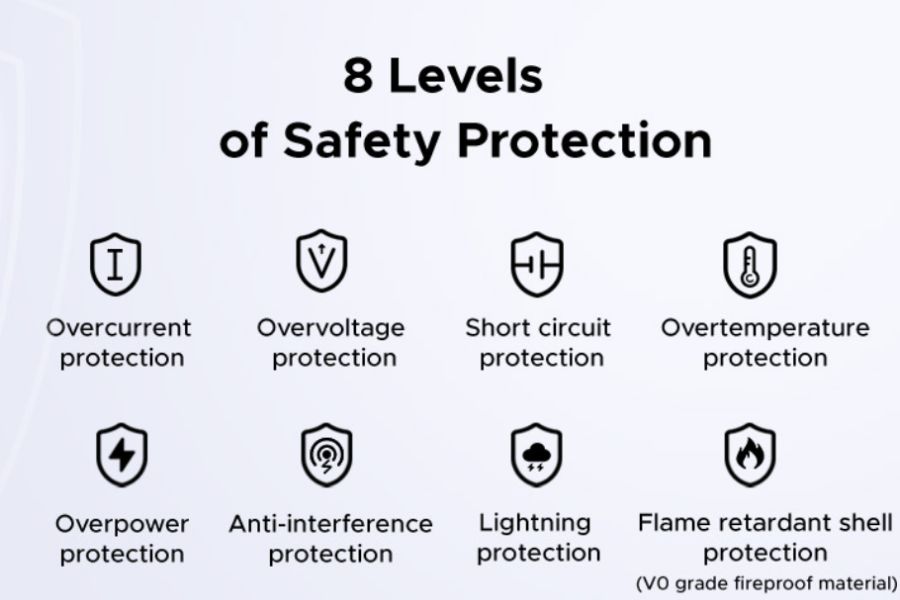
In terms of safety, a GaN charger from a reputable brand offers multiple layers of protection. For example, the Ugreen 100W Uno GaN charger offers protection against overcurrent, overvoltage, short circuit, overtemperature, overpower, anti-interference, lightning, and a flame-retardant shell.
Pricing
Pricing is the only factor where a normal charger takes a point. Because GaN chargers are expensive compared to. But if you dig into the pricing and such, adding more money would seem wise, as GaN chargers offer many perks over traditional ones. But be advised, GaN chargers primarily support PD and QuickCharge over USB-A ports. So, you might not get the best charging speed on your phone (check the cross-compatibility chart mentioned above).
Why do you need the right charger for your smartphone?
- Safety: The primary concern is safety. Using an incorrect or counterfeit charger can cause your phone to overheat, potentially starting a fire.
- Charging Speed: The right charger will provide adequate charging speed for your phone. A wrong charger can cause slower charging.
- Battery Health: The right charger is also good for your battery life, while the wrong one can shorten it.
How to Identify a Fake Charger
Many local markets are filled with counterfeit chargers that claim extremely high charging speeds. These chargers may not follow proper safety standards and can damage your device or battery.
Here are some common signs of fake chargers:
- Unrealistically low price for a high-wattage charger
- Poor build quality or loose USB ports
- Very lightweight adapter compared to the original
- No safety certification markings
- Missing brand logo, serial number, or packaging details
Always try to buy chargers from:
- Official brand stores
- Authorized retailers
- Reputable accessory brands
Using a fake charger can lead to overheating, slow charging, or even permanent damage to your smartphone.
Ultimate Charger Buying Guide: How to pick the right charger for your phone?
- First of all, you should know your smartphone's charging protocol. Whether it is using QuickCharge, PD, HyperCharge, SuperVOOC, FlashCharge, TurboCharge, SuperCharge, or such.
- Also, check the power output you need before buying. If your smartphone supports 33W of fast charging, you should purchase a 33W charger. But the main thing is that it should match the protocol.
- Then, you can head to a trusted store to buy an official charger for your phone. Be advised that the local market is filled with dozens of counterfeit so-called fast chargers. So I always recommend going to an official store/site. Plus, never buy an unbranded charger.
- In Nepal, only Xiaomi/Redmi, Vivo, Samsung, OnePlus, and Apple's official chargers are sold. While writing this article, I haven't found the original chargers for Realme, Motorola, Tecno, Infinix, and Honor phones being sold officially. So chances are, you will find a lot of fake chargers.
- If there are no official chargers to buy, check the most compatible cross-platform protocol. And then, buy that charger.
- Also, you always have to buy original cables, or at least high-quality ones that meet the adaptor's requirements.
- SuperVOOC protocol in Oppo/OnePlus/Realme smartphones and FlashCharge in Vivo/iQOO phones use a high-amp cable, such as 6A, 8A, or 10A, and a low-volt adaptor, like 5-10V, depending on the charging power. For example, an 80W SuperVOOC or FlashCharge adaptor requires an 8A cable to charge your supported Oppo/OnePlus/Realme and Vivo/iQOO phones at maximum speed.
- If budget is not your concern, you can get a braided USB cable from reputed companies like Ugreen, Xiaomi/Redmi, and Anker.
Also Check:-
Frequently Asked Questions (FAQs)
Article Last updated: April 27, 2026