Can TCL challenge the established players in this segment?
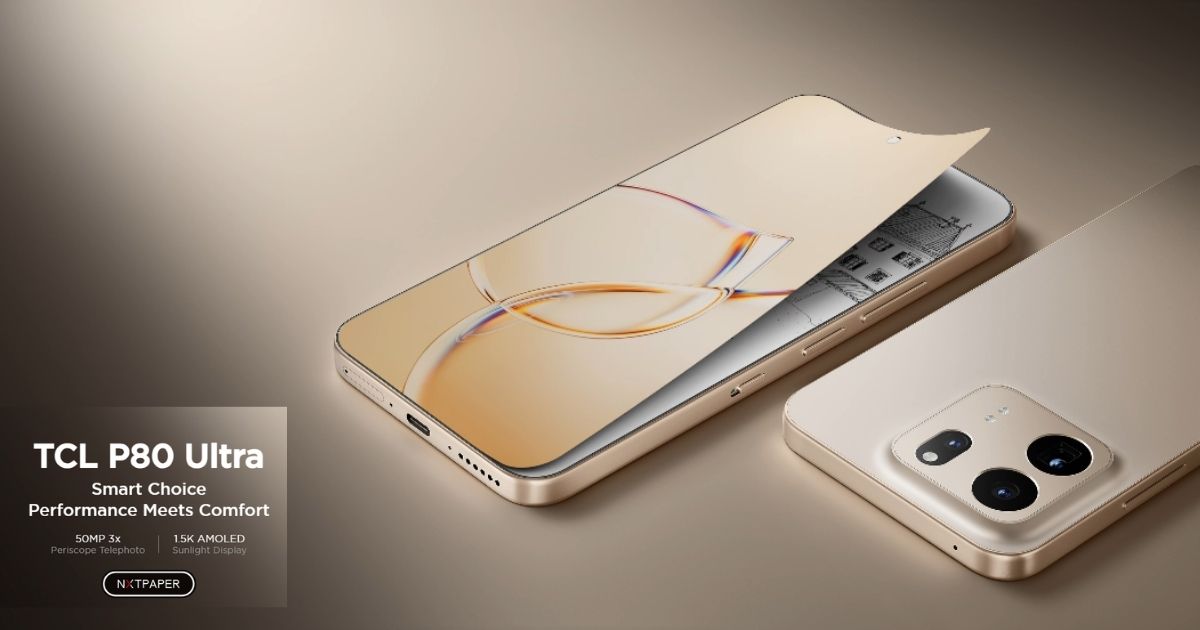
TCL has introduced the P80 Ultra, a smartphone that combines a high-end-looking display with the company’s NXTPAPER technology. Instead of choosing between a vibrant AMOLED panel and a more comfortable reading experience, TCL is trying to offer both in the same device. The phone also brings a 120Hz refresh rate, a large battery, and a dedicated periscope telephoto camera. In this article, I will discuss this phone in detail, including the expected TCL P80 Ultra price in Nepal, specifications, and availability.
Key Highlights
- TCL P80 Ultra features a 6.83-inch 1.5K 120Hz AMOLED display with NXTPAPER technology for a vibrant yet more comfortable viewing experience.
- The phone is powered by the MediaTek Dimensity 7400 Elite and comes with up to 8GB RAM and 512GB UFS 3.1 storage.
- TCL has equipped the P80 Ultra with a 50MP main camera and 50MP 3x periscope telephoto camera for a more versatile photography setup.
- The P80 Ultra packs a 5,800mAh battery with 45W fast charging, along with TCL’s power-saving features for longer usage.
- The phone runs Android 16 with four major OS upgrades and seven years of security updates, making it a long-term option.
TCL P80 Ultra Overview
Display
Starting off, the P80 Ultra features a 6.83-inch 1.5K AMOLED display with a 120Hz refresh rate, up to 3,200 nits of peak brightness, and up to 100% DCI-P3 color coverage. It also has slim bezels measuring as little as 1.38mm, so the large screen should feel fairly immersive for watching videos and browsing content. The panel also supports a claimed 2,560Hz instant touch response.
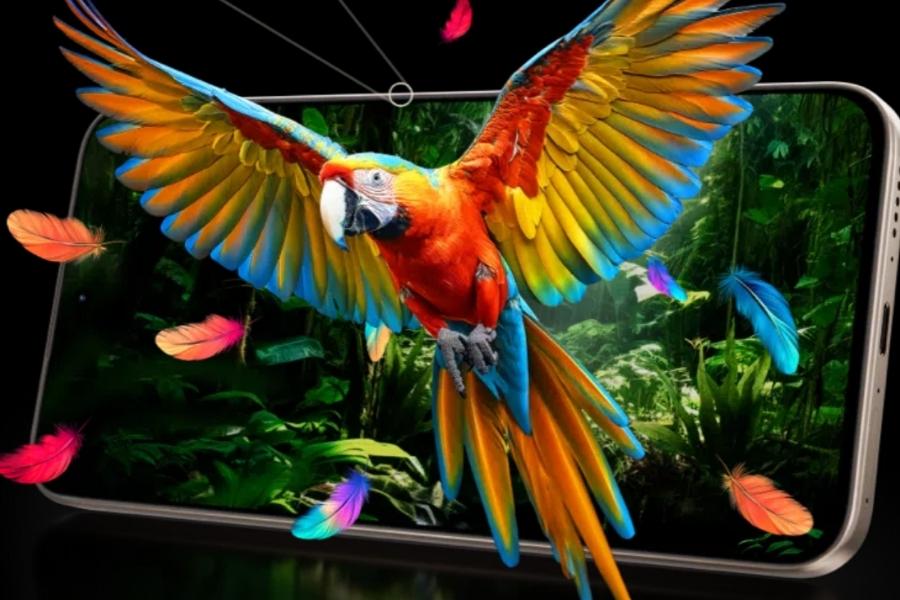
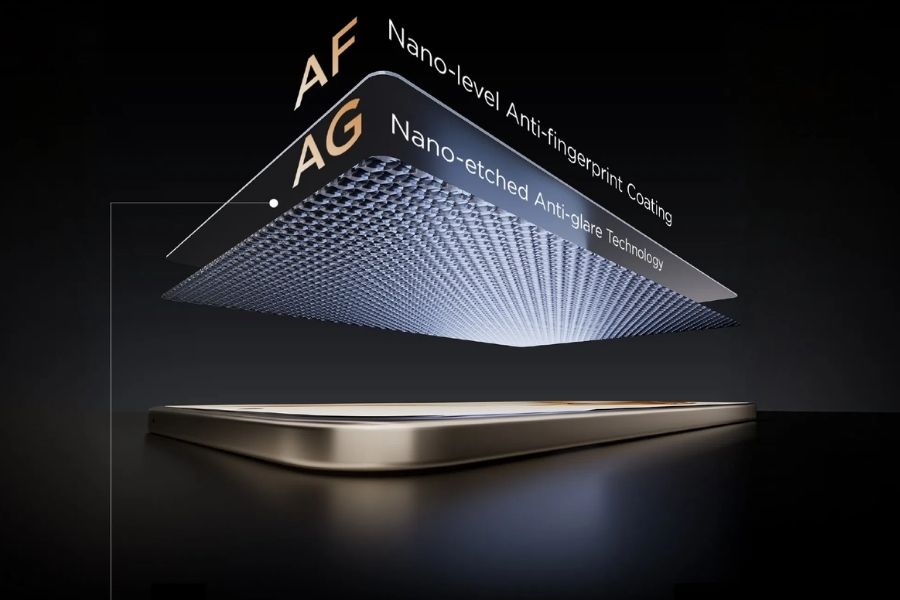
However, the NXTPAPER technology is what really separates it from a typical AMOLED phone. TCL has added a nano-etched anti-glare layer and up to 95% circular polarization to reduce reflections and make the display more comfortable to view. It also uses DC dimming in brighter scenes and 3,840Hz PWM dimming at lower brightness levels. Moreover, Paper Mode and Max Ink Mode let you switch to a more e-reader-like experience when reading for longer periods.
Design and Build
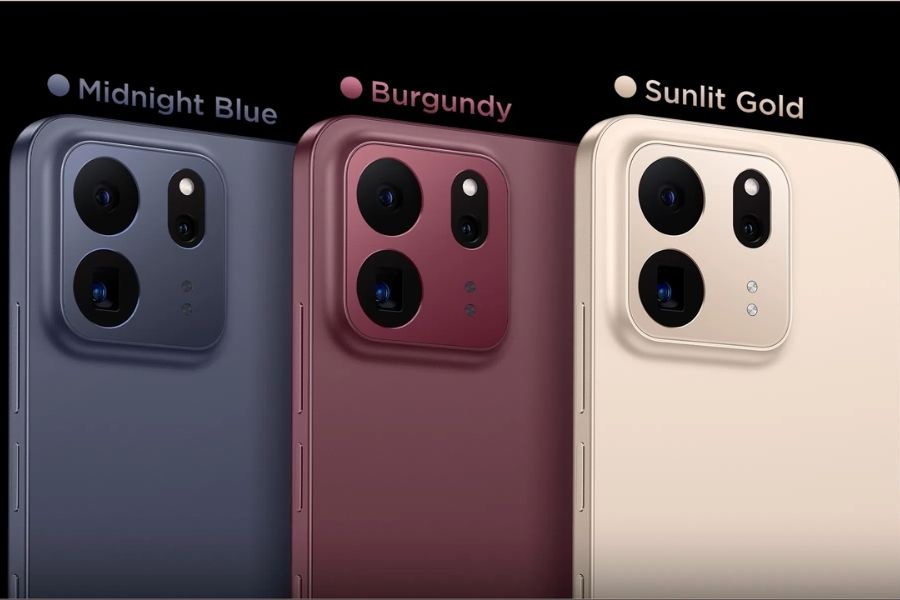
Moving to the design, TCL has focused on making the P80 Ultra both slim and comfortable to hold. The company worked with materials expert Chris Lefteri on the phone's design, while the back uses a satin-smooth finish designed to sit naturally in the hand. Here, you get to choose between “Midnight Blue”, “Burgundy”, and “Sunlit Gold” finishes.
Additionally, the phone is also rated IP68 for dust and water resistance to give you protection in everyday use. Alongside that, TCL has used Nano Crystal Shield Glass and a nano-etched surface treatment to improve protection and reduce glare. So, rather than making the design purely about looks, TCL has paid attention to everyday usability as well.
Performance and Software
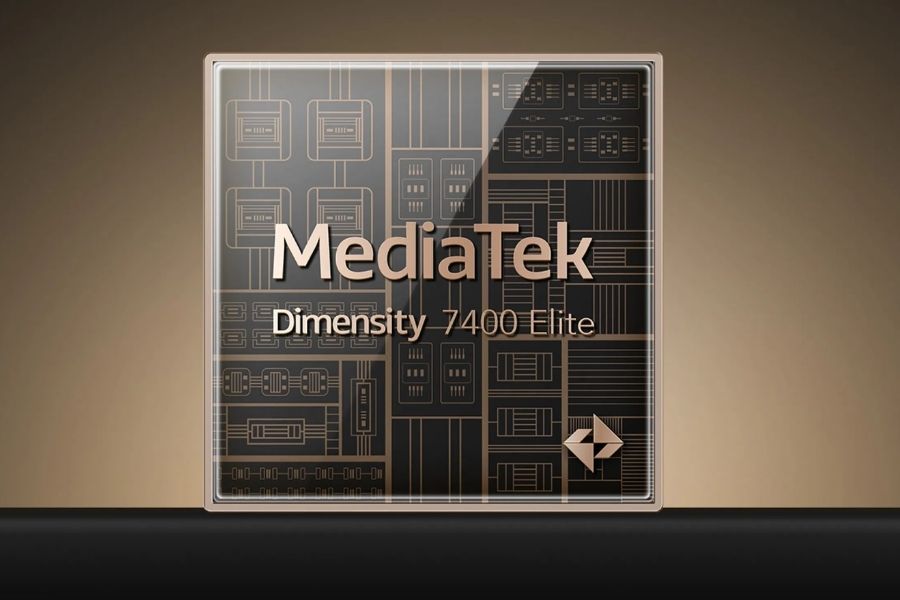
Under the hood, the P80 Ultra uses the MediaTek Dimensity 7400 Elite. This is the upper-midrange segment, so you should not expect flagship-level performance here. Nevertheless, it should be more than capable for everyday tasks such as social media, multitasking, streaming, and general productivity.
Memory-wise, the phone comes with 8GB of RAM with up to 16GB of virtual RAM expansion. and up to 512GB of UFS 3.1 storage. On the software side, it runs on Android 16. And TCL is promising four major OS upgrades and seven years of security updates for the P80 Ultra. That is a welcome move, especially for those of you planning to keep it for several years.
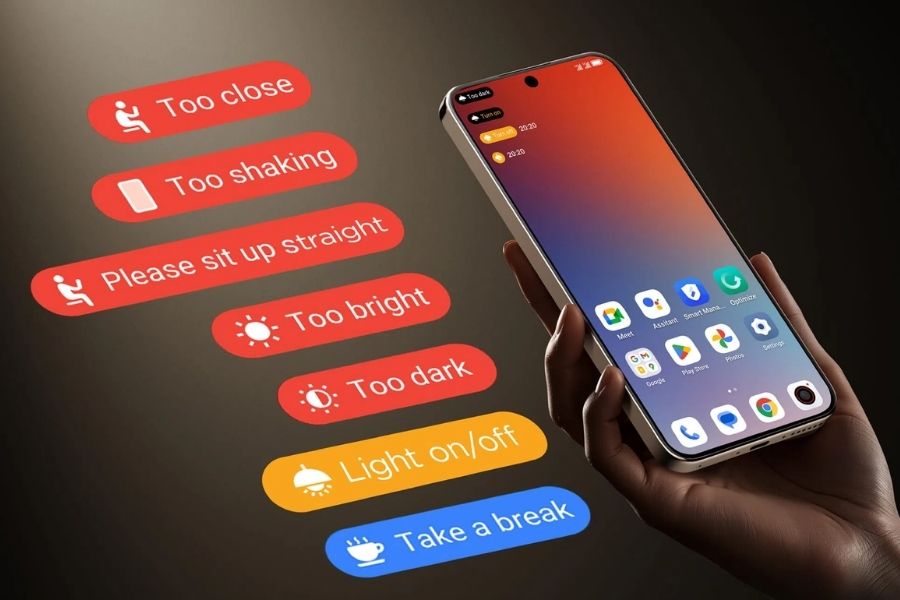
Furthermore, the phone includes dual stereo speakers with DTS Cinematic Surround Sound, a 360-degree surround antenna, and support for sharing files with iOS devices through the TCL Link app.
- Also Read:
- Xiaomi 18 Fold Showcased at IFA 2026 Ahead of September 7 Launch With XRing O3!
- Vivo T5 5G goes official with a 7,050mAh battery and Dimensity 7500 Turbo!
- Honor X7e arrives in Nepal with a huge 7500mAh battery and 50MP camera!
Battery and camera
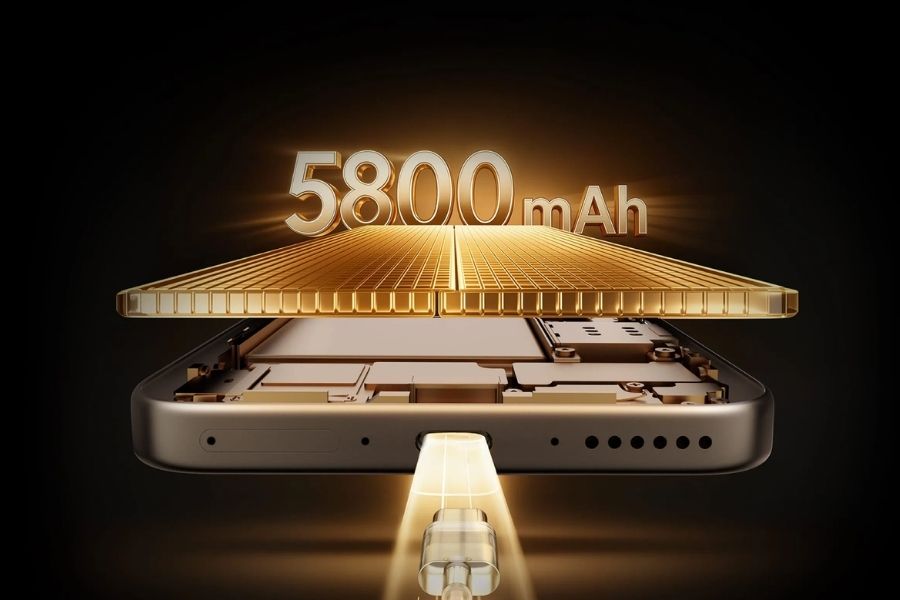
For the battery, the P80 Ultra packs a 5,800mAh battery with 45W wired charging. TCL has also added a smart power-saving engine that combines adaptive refresh rate, intelligent power management, and deep app sleep. According to TCL's internal testing, the phone can manage up to 45 hours of continuous calling, 23 hours of video streaming, and 15 hours of gaming, although real-world results will naturally vary depending on how you use the phone.
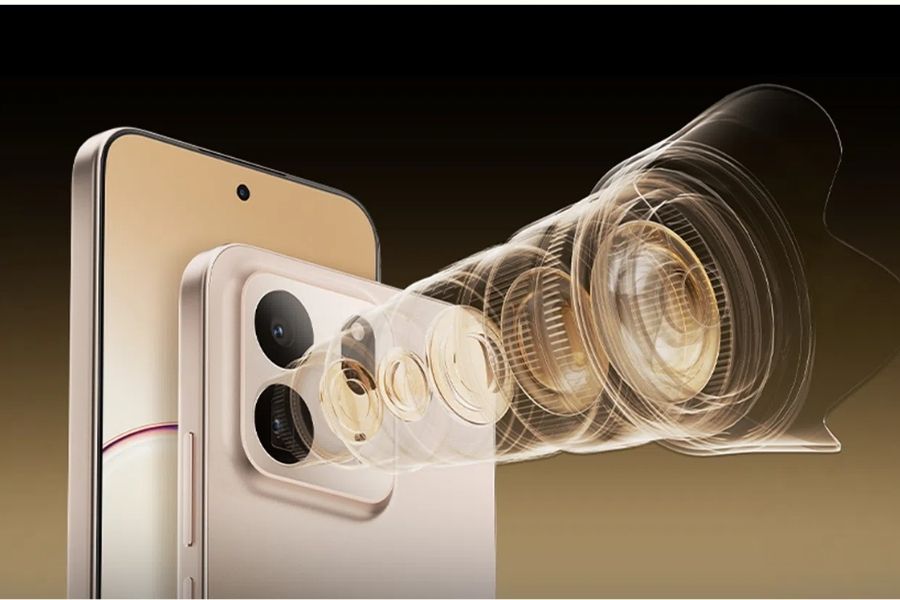
On the camera side, the phone gets a 50MP 1/1.56-inch main camera and a 50MP 3x periscope telephoto with OIS and EIS alongside an 8MP ultrawide sensor. The large main sensor with OIS should deliver better detail and low-light results, while the 3x periscope camera should be particularly useful for portraits and distant subjects. TCL also claims up to 6x lossless zoom and telephoto macro shooting from this phone.
For selfies, the P80 Ultra comes with a 32MP front-facing camera. It also gets TCL's imaging algorithm, AI Motion Capture, Color Palette, and MuseFilm filters, which should give users more flexibility when taking selfies or creating social media content.
TCL P80 Ultra Specifications:
- Design, build: IP68 rated, MIL-STD certification
- Display: 6.83-inch AMOLED screen, 1.5K (1280 x 2772 pixels), 120Hz refresh rate, 3200 nits (HDR), NxtPaper technology
- Chipset: MediaTek Dimensity 7400 Elite (4nm)
- Memory: Up to 8GB RAM, up to 512GB storage (non-expandable)
- Software & UI: Android 16, up to 4 major OS updates
- Rear Cameras: Triple (50MP main, 8MP ultrawide, 50MP 3x periscope telephoto)
- Front Camera: 32MP sensor (hole-punch)
- Security: Fingerprint (Unspecified)
- Connectivity: Dual-SIM (Nano, eSIM), WiFi 6 (Dual-band), Bluetooth 5.4, USB-C, 5G
- Battery: 5800 mAh with 45W fast wired charging
TCL P80 Ultra Price in Nepal and Availability
In the UK, TCL priced the base 8/256GB model of the P80 Ultra at GBP 480 (~USD 650, INR 61,565). If this launches here, we expect the TCL P80 Ultra price in Nepal to start at NPR 106,999.
| TCL P80 Ultra | Price in the UK (Official) | Price in Nepal (Expected) |
| 8/256GB | GBP 480 | NPR 106,999 |
- Meanwhile, you may like our review of the OPPO Find X9 Ultra.
Article Last updated: September 4, 2026