Discover the top ride-sharing apps in Nepal for 2026, based on real experience, this guide explores features, pricing, commissions, and which app suits you best!
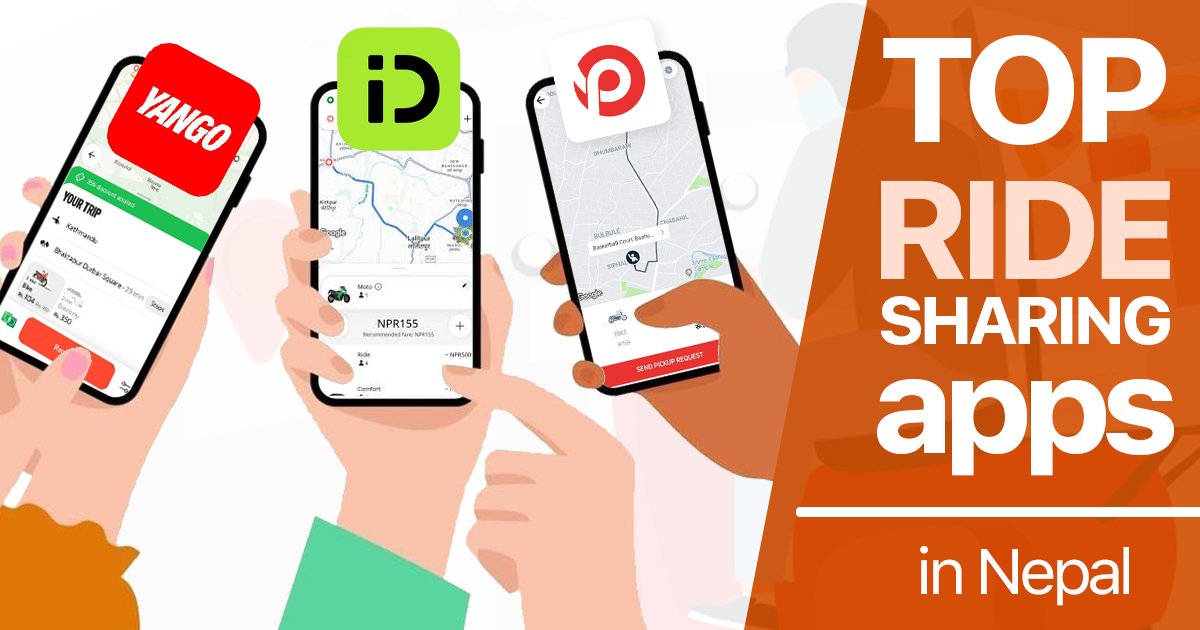
Travelling in a public vehicle in Nepal is nothing short of troublesome. Given that, anyone with sufficient resources opts for a private vehicle without a second thought. Following as a close second option is — Ride Sharing! This article will look into the landscape of widely popular ride-sharing and list down the best apps in Nepal to do so as well. Without further ado, let's get into the nitty-gritty of ride-sharing in Nepal, starting with.
Ride Sharing in Nepal: Current landscape and a brief history
Ride-sharing is not anything new. We all have heard about something like Uber or Ola. Matter of fact, ride-sharing is not a new concept for Nepal either — well at least not anymore. Even then, let's start with the basic question first — What is ride-sharing? It is basically giving someone a lift, mostly done through a platform and for a fee. Ride-sharing is very popular in Nepal — especially in Kathmandu Valley! And why would it not be? It came as a sweet solution for all the issues we had with commuting back then. For context, before ride-sharing started in Nepal, you could either travel by public vehicle or hail a taxi.
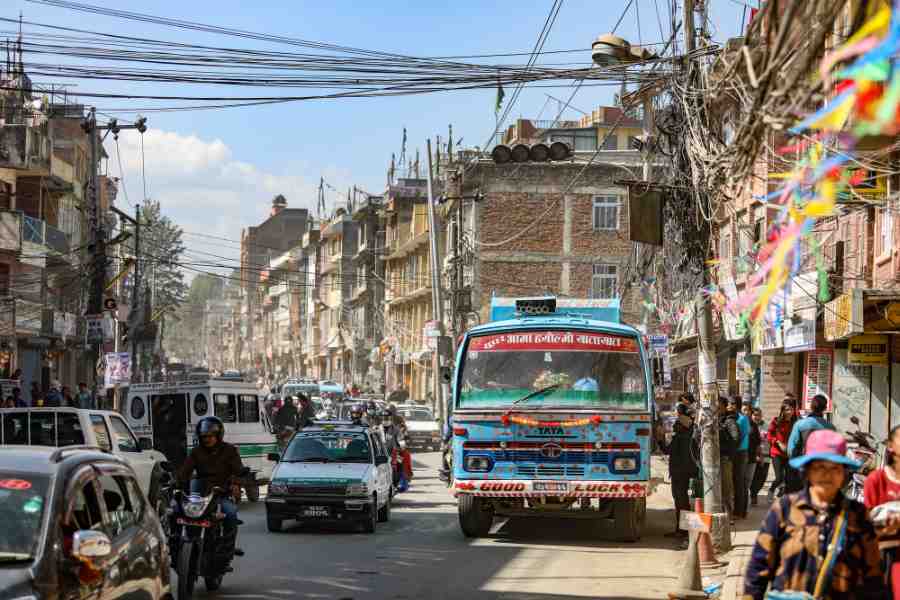
And if you were capable — get yourself a bike or a car. Now, there were a handful of issues with public transport. Congestion, misbehaviour, pickpocketing, actual harassment, government-allocated discounts not being provided, and whatnot. The issues remain the same for public transportation even to this day. On the other hand, the taxi service in Nepal was no less than looting in broad daylight. The asking price for a ride home would be so outrageous that you would rather walk back if possible.
Enter Ride-Sharing
With almost one bike in every house, pre-existing issues with Nepali transportation, and people looking for more employment opportunities. It was only a matter of time before someone had the bright idea of implementing an Uber-like modality, but with bikes. Enter Sikchit Bhatta and company! Tootle introduced Nepal's first-ever ride-sharing app in 2017. The app obviously wasn't perfect; however, it brought a new wave in the Nepali community.

Issues
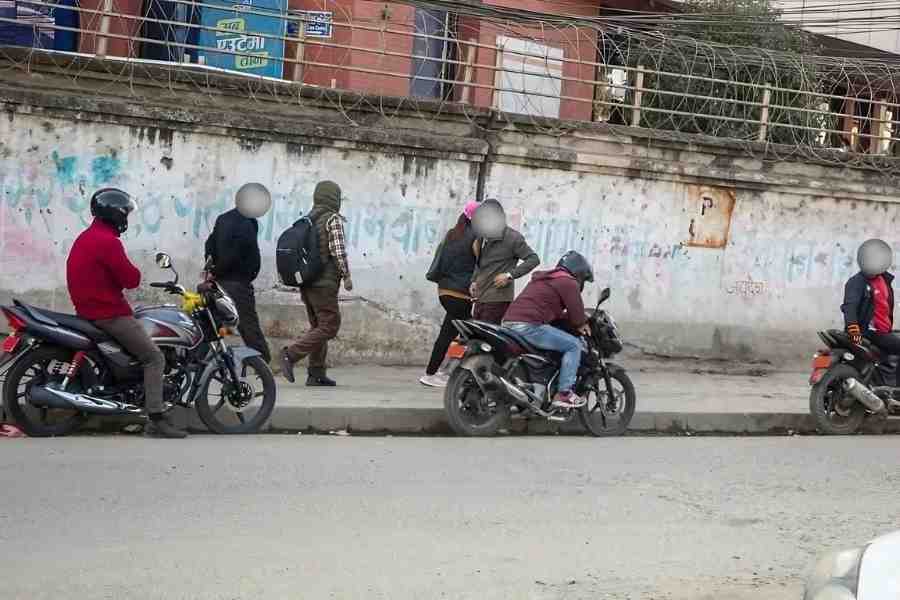
Now anything such popular will obviously run into some hurdles. Various issues started surfacing starting with offline rides. People started getting scammed, and mugged, and even a few deaths followed. Then there were movements against ride-sharing from taxi drivers and similar unions. The situation escalated so much that any bike rider who dared to stay idle by the roadside with a phone would get surrounded and beaten even. With all the fiasco going on, there was one major question hovering. Was — it — legal? So, an old government Act said it was not, and based on that, ride-sharing was deemed illegal in 2019. Then the public retaliated and demanded the regulation to be amended, because why not? After that, the Patan High Court ordered ride-sharing to be regulated and made legal in 2020. Only after two years, the Bagmati Province was like “Okay, it's legal.”. But no concrete regulation was put forth. So, what is it? Legal? Illegal? It was — A LIMBO.
Current State
After initial legal confusion, ride-sharing is now a fully government-recognised industry in Nepal. The Bagmati Province amended the Industrial Enterprise Act 2020 and published it in the Nepal Gazette on 1 February 2024, granting ride-sharing clear legal status.
- Did you know? Ultra-wide Band also sadly suffers a similar faith in Nepal. Learn more about it, HERE!
In that time frame, a lot happened. For example, the very taxi service sector that was against ride-sharing joined hands and was incorporated into popular ride-sharing apps. Meanwhile, a lot of people have chosen the service as their full-time or part-time job. Ride-sharing is still popular, going strong, and even expanded to other cities in Nepal.
Top Ride Sharing Apps in Nepal [2026]
1. InDrive
As I mentioned earlier, the ride-sharing industry in Nepal is a two-way competition and there is no concrete way to tell which one comes on top. Based on personal experience it’s probably — InDrive, but, ever-so-slightly. InDrive entered the ride-sharing scene in Nepal quite late, somewhere in mid-2022I started using it in 2022 and quickly noticed why people liked it. First, it’s huge globally — over 700 cities in 47 countries. Second, I love that I can bargain for fares. I still remember haggling over a city-to-city ride once — it felt almost like shopping in a market. Choosing your rider is another perk. And yes, it’s slightly cheaper than some other apps, which I appreciate.
Features
While the sheer scale of InDrive is impressive, I don’t think that’s the main reason it’s so popular here in Nepal. For me—and probably a lot of us Nepalis—it comes down to our favorite pastime: BARGAINING! I love that I can negotiate the fare I want to pay my rider in InDrive. Of course, there’s a minimum recommended fare, but even then, this feature makes rides feel more competitive and fair. I also enjoy being able to choose my rider, and honestly, I find InDrive slightly more affordable than the second-largest ride-sharing app in Nepal.
On top of bargaining, I’ve tried the city-to-city feature myself. You can request a bike or taxi to another city, though I’ll be honest—it’s pretty expensive, and if possible, I’d rather just take a flight. I’ve also used the freight and courier service a couple of times, and it’s surprisingly convenient for delivering goods within the app.
Issues
While InDrive is quite an attractive service platform, it now operates legally across Nepal and has introduced accidental insurance for its riders and passengers, covering death, permanent disability, and medical expenses. InDrive also now charges a commission from its riders, though it remains competitive compared with other platforms.
I’ve noticed some riders aren’t fully clear on how the insurance works, and occasionally I’ve had a ride where the driver was a bit rough or the service was inconsistent. Still, I find it reliable overall, and I’m confident it will improve further.
| Commission from Riders | Notes |
|---|---|
| 10 % | Standard commission after formal launch in Nepal |
[You can switch to Driver mode within the same app] Moving on...
2. Yango
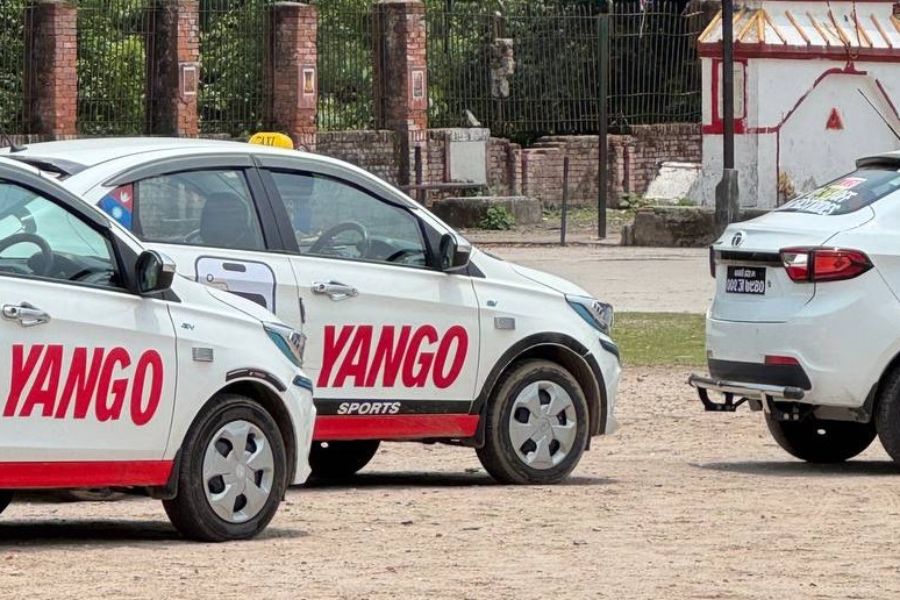
Yango has quickly made its presence felt in Nepal’s ride‑sharing world, almost like that new kid in class everyone’s talking about. Launched in Kathmandu in May 2025, Yango isn’t just another taxi app — it’s part of a global mobility platform that connects passengers with local drivers and operators rather than owning its own vehicles. I appreciate their low fares — bikes from NPR 40, cars from NPR 180 — and I love seeing the fare breakdown before confirming the ride. In 2026, Yango also added automatic in‑ride insurance at no extra cost, giving riders and drivers coverage of up to around NPR 1 million on every trip — something that helped it stand out in a crowded market.
Other Features
Drivers also get bonuses if they complete a certain number of rides per day, and I’ve heard from a few rider friends that this keeps some of them motivated and available even during busy times. The app offers a suite of safety features. You can do route sharing, real‑time tracking, speed monitoring, and emergency SOS tools to make journeys feel more secure. Beyond just ride‑hailing, Yango is growing into a multi‑service platform, bringing delivery and logistics under one roof.
Issues
That said, Yango’s rapid rise hasn’t been all smooth. During off-peak hours, Yango feels affordable and fast. But I’ve noticed that during peak hours, the rates can actually be higher than InDrive or Pathao. So, I actually have to rethink before booking in such scenarios.
Still, to many Nepalis, Yango feels like a fresh, budget‑friendly alternative alongside Pathao and InDrive,. After all, despite being a new player, we have to give it up to Yango for disrupting the market.
| Commission | Notes / Bonus |
|---|---|
| 3 % (standard) | 3% commission charged to riders; peak-hour fares can be higher. Drivers get bonuses for completing a set number of rides per day. |
3. Pathao
Before InDrive entered Nepal, the ride-sharing service was almost monopolised by — Pathao. This Bangladeshi brand with Nepali investment was so influential that the word “Pathao” became synonymous with “ride-sharing” itself. I know we all have gone through this, but if you stand near a Chowk or busy street. Random bike riders will definitely haunt you asking — “Pathao ho?”. By saying so, they are not referring to the company, but they are offering you an offline independent ride-sharing service of their own. (I suggest you not go with these kinds of riders, by the way). Anyway, there are a multitude of reasons for the sheer influence of Pathao in the ride-sharing scene of Nepal. Starting with their early start. When Pathao was launched in Nepal back in late 2018, the concept of ride-sharing was still in its budding state. However, with international experience and constant adaptation, Pathao bloomed into what it is today. Even though, not the go-to ride-sharing app anymore, it has become something more than that.
Other Services
Pathao offers food and parcel delivery services on top of ride-sharing as well. In recent times, it has become more dominant in food delivery and logistics than in ride-sharing, though it continues to maintain a strong presence in ride-sharing. I have used their service a lot for food and goods delivery, and I must say, it is a trustworthy platform. Moreover, you can visit the company’s social media page, particularly Instagram, to get an idea of their focus. Additionally, Pathao provides a limited Q-commerce service on the platform with the delivery of books, flowers, and liquors. Pathao formally operates outside of Kathmandu Valley — in Chitwan and other major cities — offering bike and tuk-tuk (three-wheeler auto) services.
On top of all the services provided, I like how Pathao maintains insurance coverage for riders and passengers, charges a nominal fee per ride, and provides compensation in the event of accidents or mishaps. Pathao has now expanded to multiple cities across Nepal and continues to explore inter-city travel options.
Issues?
While Pathao remains popular, I feel like it has lost some of its stronghold on the ride-sharing scene. Riders now have to pay a higher commission per ride, and I’ve noticed many of them shifting towards platforms like InDrive or Yango, which offer more flexible pricing and features. Personally, I find myself using Pathao less often, mainly because fares are higher than on other apps.
That said, I do think Pathao has improved its commission structure. The standard commission is 20%. But the good news is, it can now drop to 1% if a rider completes more than 20 rides. Even with that, I still feel the platform is facing stiff competition.
| Number of Rides Completed | Commission Taken |
|---|---|
| 1-5 | 20% |
| 6 – 9 | 15 % |
| 10 – 14 | 10 % |
| 15 – 19 | 5 % |
| 20+ | 1 % |
4. Sajilo
Another one of the ride-sharing apps in Nepal is Sajilo. They launched their platform in the new year of 2079 B.S. I still remember their launch video featuring Nepali prankster Alish Rai — that thing was quite funny. Other than that, Sajilo has partnered with various individuals with a large fan following, such as 4K gaming and Paradgym TV. With this, the app has already amassed over 100,000 downloads to this date.
Features
What I really like about Sajilo isn’t just their celebrity partnerships — it’s how practical they are with offline rides. Back in the day, they had the Spot Booking feature, but now they’ve switched to a simple solution: a dedicated phone number passengers can call to arrange rides when there’s no internet. I’ve actually tried it a few times myself, and it’s reassuring to know that even if my phone dies or my connection drops, I can still get a ride. On top of that, every ride comes with insurance coverage for both riders and passengers. This is something that gives me a lot of peace of mind. As for the drivers, Sajilo takes a 10 % commission on bike rides and 6 % on cab rides.
Sajilo also offers a Transport service for moving goods or luggage, and lets you choose riders based on proximity. To sum up, Sajilo doesn't have the scale of Pathao or InDrive. But at least, there is one local company still fighting in the scene.
| Ride Type | Commission |
|---|---|
| Bike | 10 % |
| Cab | 6 % |
Top Ride Sharing Apps in Nepal: Rider Commission Comparisons
| App | Commission taken from Riders | Info |
|---|---|---|
| InDrive | 10 % | Officially started charging around 10 % after the formal launch in Nepal. |
| Yango | 3% | 3% commission is taken from riders. Peak-hour fares can be higher. Drivers get bonuses for completing a set number of rides per day. |
| Pathao | 15‑20 % (standard) | 1-5 rides: 20% commisson 6 – 9 Rides: 15% commission 10 – 14 Rides: 10% commission 15 – 19 Rides: 5% commission 20+ Rides: 1% commission |
| Sajilo | 10 % (bike), 6 % (cab) | 10 % commission on bike and 6 % on car rides. |
Top Ride Sharing Apps in Nepal [Summary]
| S.N. | Ride-Sharing App |
| 1 | InDrive |
| 2 | Yango |
| 3 | Pathao |
| 4 | Sajilo |
Frequently Asked Questions (FAQs)
Article Last updated: March 23, 2026